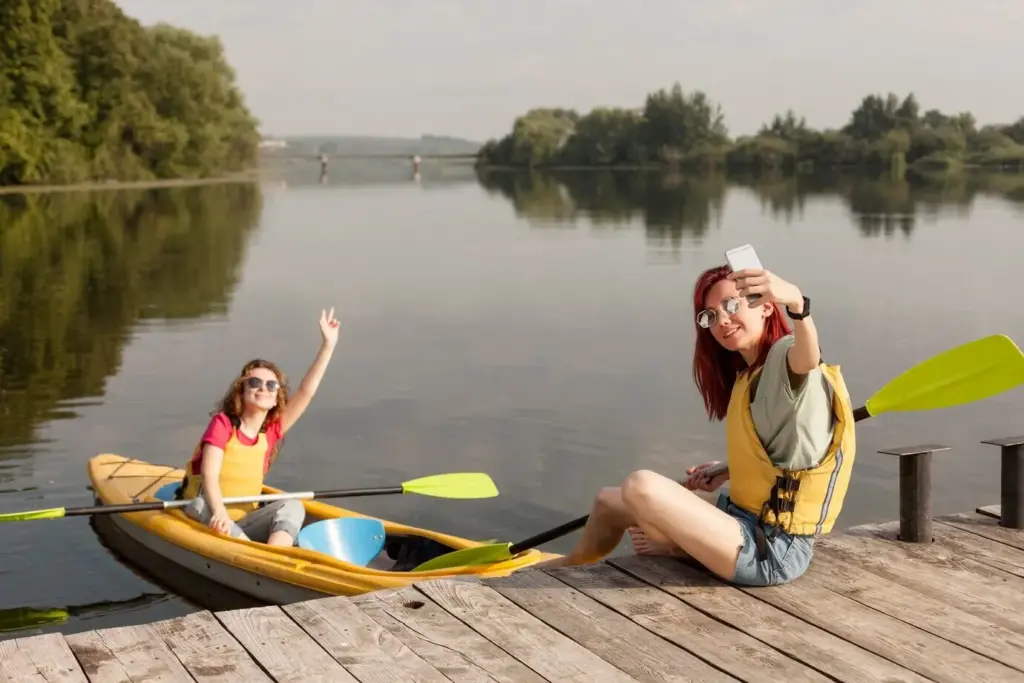
Arrive Waterside Without a Car

Today we explore navigating to paddle put-ins by train, bus, and ferry, turning timetables into trailheads and platforms into gateways to water. Learn to plan connections, carry packable boats, solve last‑mile puzzles, and arrive ready to launch with confidence, courtesy, and curiosity. Expect practical tips, lived stories, and route strategies that make public transport your most reliable shuttle partner.

Reading timetables like tide charts

A schedule is more than departure times; it’s a living rhythm that can either carry you or leave you stranded. Study patterns, not just single rides, and highlight first and last services. Cross-check against seasonal changes and engineering works. When your launch window depends on slack water or a gate opening, plan to arrive early enough to absorb small surprises without panic.

Aligning flows, tides, and first or last services

Rivers and rails each keep their own time. Choose a train that lands you with margin to assemble gear, scout the bank, and breathe before launching. If a last bus defines your turnaround, shape your downstream distance accordingly. Tidal estuaries demand respect; combine tide tables with posted ferry crossings and bridge openings to avoid rushing the safety checks that matter most.

Gear That Travels Well

Choosing boats for transit: inflatable, folding, or hardshell

Inflatables collapse into backpackable bundles and often fit overhead or between seats, making them the easiest companions. Folding kayaks balance glide with portability, riding trains neatly in a checked-looking bag. Hardshells demand route-specific strategies like local storage, club shuttles, or dedicated ferry policies. Match your craft to your most frequent transit constraints, not a hypothetical dream river you rarely paddle.

Carrying systems: trolleys, slings, and shared lifts

A compact trolley with puncture-resistant wheels saves shoulders on long station approaches, especially across cobblestones or gravel paths. Wide slings distribute pressure during stairs, while removable straps stash quickly when boarding. Agree on a shared-lift routine with your partners before crowds appear. Practice collapsing and securing your wheels fast, so a conductor sees cooperation, not clutter, when doors slide open.

Packing smart: wet or dry separation and quick transitions

Start with two clear zones: things that must stay dry and things likely to soak. Use color-coded dry bags and label them by function. Keep tickets, ID, and phone accessible without unpacking everything. Pre-rig inflation pump, fin, and paddle order to minimize platform time. After paddling, a super-absorbent towel and trash bag protect seats, while a change kit restores warmth quickly.

The Last-Mile Puzzle
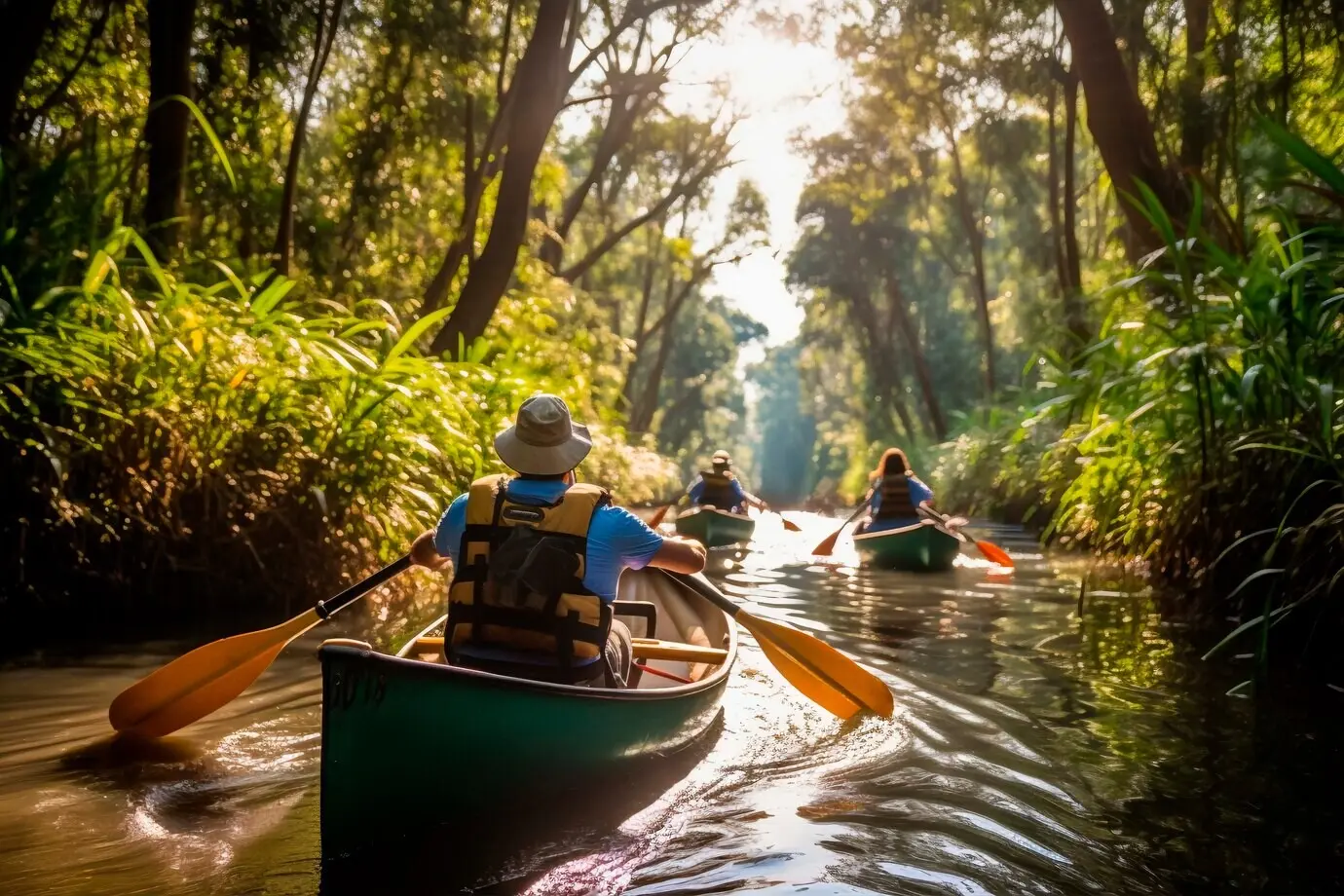
Most challenges live between the station and the shore. Study pedestrian routes, gradients, and legal access points rather than relying on straight-line distances. Some paths are muddy, gated, or seasonal. Validate imagery with recent trip reports. Where bikes are allowed, consider a folding model for effortless portages. When they are not, efficient walking plans and patient pacing keep spirits high and timelines honest.

Combining Train, Bus, and Ferry

Island hops where ferries become part of the journey

Some of the most magical launches start with a ferry deck beneath your feet and sea air in your lungs. Verify luggage rules for inflatables and folded frames, and secure pumps and paddles to avoid rolling. Use the crossing to review marine forecasts and shoreline landing options. Upon arrival, follow crew guidance, move briskly, and keep docks clear for working traffic.

Winter schedules, holiday disruptions, and plan B

Off-peak seasons compress options. Scan service notices for reduced frequency, rail works, or weather suspensions. Save alternate routes that reverse your loop or swap river sections. A simple thermos, extra layers, and emergency calories stretch comfort during unexpected waits. Communicate calmly with your group when plans change, and capture updated times in a shared note to avoid conflicting assumptions.

Return logistics when the river only goes one way

Downstream joy can become upstream puzzle if return services are scarce. Plant a station near your take-out, and time lunch to match departures. Consider paddling to a busier node to multiply choices. If conditions demand early exit, note intermediate bridges with safe egress. Celebrate completion with a quick debrief while tickets load, turning logistics into a satisfying final chapter.

Rules, Safety, and Courtesy

Shared transport thrives on mutual respect. Know policies for oversized items, cleanliness, and peak-hour restrictions before you board. Keep boats contained, edges padded, and wet gear sealed. Offer seats to others, thank staff, and answer curious questions with patience. Safety extends from train doors to launch eddies: helmets where appropriate, visible clothing near roads, and clear group communication throughout.

Transit policies and how to ask staff the right way

Clarity invites cooperation. Screenshot policy pages, carry dimensions of your packed boat, and ask staff before boarding, not after doors close. Use courteous, concise language and accept guidance gracefully. If the platform is crowded, wait for the next service. A respectful interaction today builds goodwill for tomorrow’s trip, often unlocking tips about quieter cars or accessible exits.

Keeping boats and passengers safe in crowded vehicles

Choose end cars or vestibules where allowed, securing gear with soft straps that cannot trip fellow riders. Protect sharp hardware with foam or towels. Keep aisles clear, communicate stops with your group, and exit without sudden swings. If conditions feel unsafe, step off together and regroup. Calm, visible preparation reassures everyone and prevents small inconveniences from becoming real hazards.

Environmental stewardship from platform to put-in
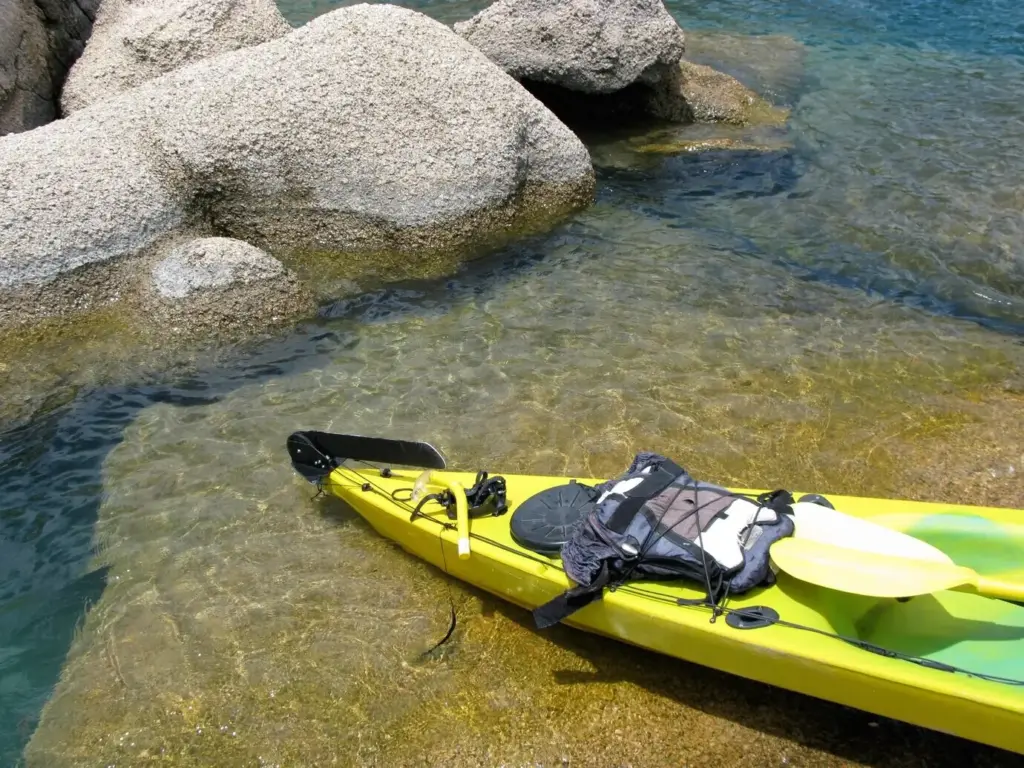
Public transport already shrinks your footprint; extend that care to the water’s edge. Rinse boats to prevent invasive species spread, stick to durable surfaces, and avoid trampling vegetation. Pack out micro-trash from snacks and tape. Share local wildlife observations with nearby clubs. Your route can model stewardship, proving that adventure and responsibility can coexist beautifully from station to shoreline.

Field Notes and Stories

Real trips teach quickly. Here we stitch together lessons from early trains, kind bus drivers, and foggy docks where patience mattered most. These vignettes reveal practical details timetables cannot show. Share your own experiences in the comments, ask route questions, and subscribe for future deep dives that turn small adjustments into smoother journeys, safer launches, and brighter mornings on the water.
Vapifaporunakuzexo
Privacy Overview

This website uses cookies so that we can provide you with the best user experience possible. Cookie information is stored in your browser and performs functions such as recognising you when you return to our website and helping our team to understand which sections of the website you find most interesting and useful.