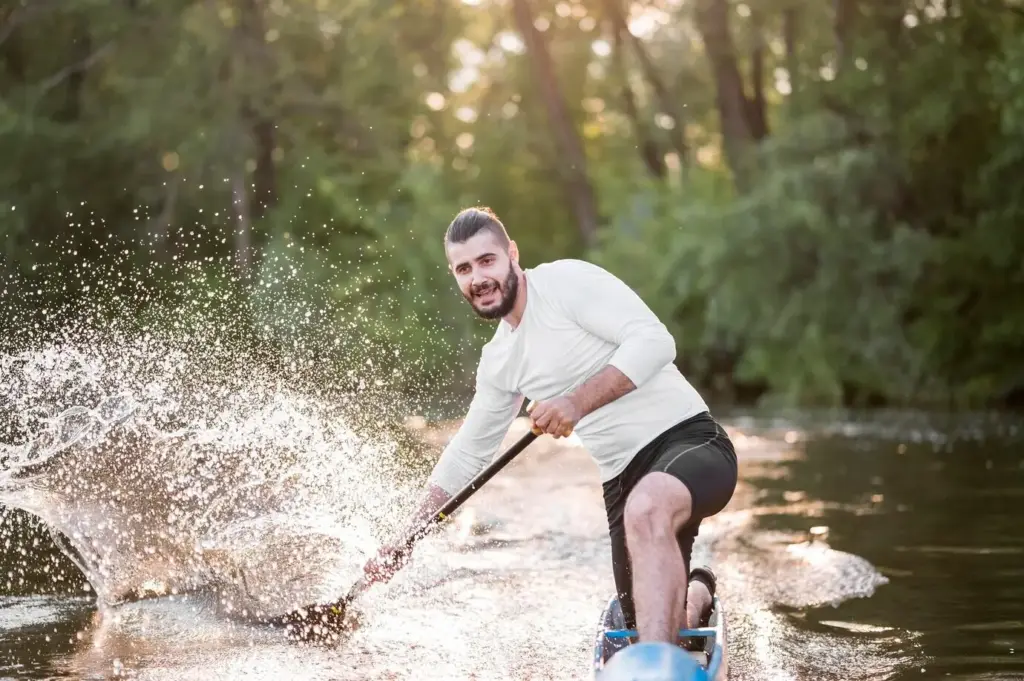
From Pedals to Paddles: Your Next Epic Journey

Today we dive into Bike-to-Boat Adventures: Combining Cycling with Kayak and Canoe Trips, weaving the freedom of two wheels with the quiet glide of a paddle. Expect route ideas, gear wisdom, safety checklists, and real stories to spark your planning. Share your questions, subscribe for upcoming itineraries, and tell us where your wheels and wake should meet next.

Designing Seamless Routes Across Roads and Rivers

Seamless itineraries start with smart map layering, blending bike paths, gravel connectors, and navigable waterways into one fluid line. Use satellite imagery, hydro charts, and local knowledge to locate put-ins, take-outs, portage trails, and legal access. Consider gradients, wind direction, current speed, bridge clearances, and daylight windows. Backup options and bailout points keep ambitions bold yet safe, ensuring spontaneous detours remain delightful rather than stressful.

Finding Water Access Points

Public boat ramps are only part of the picture; look for fishing piers, community docks, tidal steps, and soft banks hidden behind parks. Cross-check municipal regulations, parking hours, and fees. Mark low-traffic launch windows, nearby restrooms, and freshwater refill spots. Photograph signage for later reference, and pin precise coordinates so tired legs and eager paddles arrive exactly together.

Bridging Gaps with Public Transit

When distance or unsafe corridors interrupt continuity, trains, ferries, and bike-friendly buses stitch the day together. Research onboard bike rules, off-peak advantages, and wet-gear etiquette. Time arrivals to avoid missed connections. Record alternative stations and landings, ensuring weather or mechanical surprises become navigational puzzles rather than trip-ending obstacles.

Dialed-In Gear for Rolling and Paddling

Thoughtful equipment choices turn ambitious combos into smooth routines. Decide between packrafts, folding kayaks, or ultralight canoes depending on water class, cargo capacity, and portage distance. Pair with reliable racks, trailers, or secure carry systems. Protect electronics and layers with tested dry storage. Prioritize repair kits, bright visibility, and redundant lighting so transitions remain calm even when conditions shift unexpectedly.

Choosing the Right Boat for the Ride

Packrafts excel for long climbs and remote put-ins, inflating fast and stowing small. Folding kayaks slice efficiently across distance and wind but require deliberate assembly. Ultralight canoes reward balance and organization. Match hull to water, rider strength, shuttle flexibility, and your patience for setup under curious seagulls or buzzing mosquitoes.

Mounts, Trailers, and Carry Techniques

Front tri-mounts, rear racks, and compact trailers each solve different puzzles. Test heel clearance, turning radius, and braking stability with mock loads. Practice shouldering, hip-carry, and team-tandem moves for uneven shorelines. Use wide straps, protective padding, and quick releases that never quick-release accidentally.

The Art of the Transition: Shoreline Efficiency
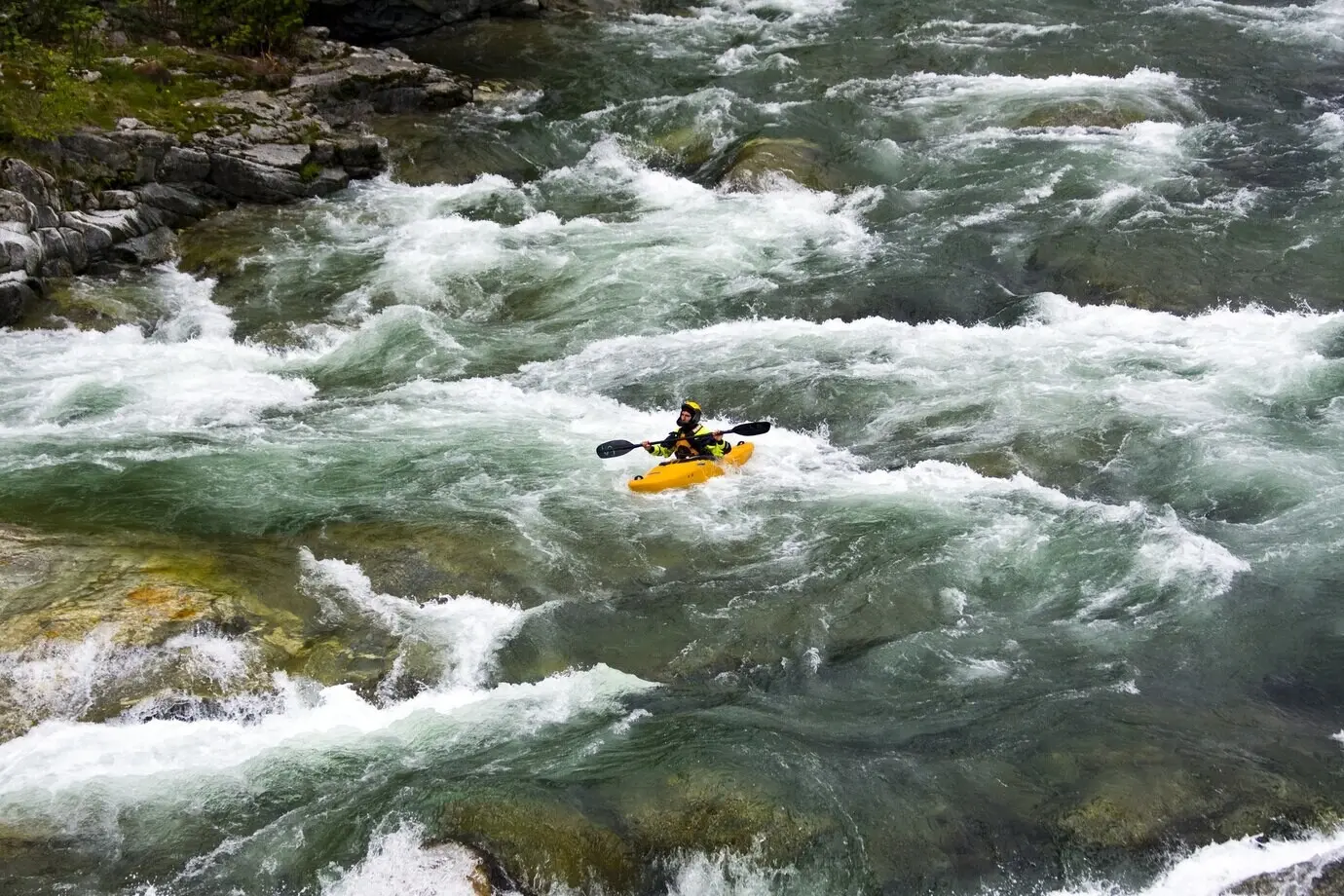
Small rituals at the water’s edge save minutes and prevent mishaps. Stage paddles, PFDs, helmets, and shoes in a consistent order. Shake sand from socks and rinse hands before handling zippers and valves. Secure bikes discretely with layered locks, or coordinate a friend relay. Review leave-no-trace principles so your adventure leaves ripples, not problems, for locals and wildlife.

Safety, Weather, and Water Wisdom

Dual-discipline days multiply variables, but thoughtful preparation tames them. Check forecasts from multiple sources, watching wind gradients and gust differentials across valleys and channels. Pack spare insulation, thermal layers, and sun protection. Wear PFDs and high-visibility garments. Carry first aid, throw line, whistle, and repair kits. Build habits that default toward caution without diminishing joy or curiosity.
Whitecaps, wind shadows, and helical eddies tell stories about energy you will meet later. Scan flags, tree crowns, and smoke. Watch for differential currents along shorelines. Observe wildlife behavior. Before launching, make micro-tests: ferry angles, edging, and bracing, converting observations into confident, adaptable strokes.
Phones fail when wet, cold, or out of service. Layer VHF, PLB, satellite messenger, and paper maps with pencil notes. Predefine hand signals, whistle codes, and regroup intervals. Share itineraries with a trusted contact. Redundant navigation and comms free the mind to notice beauty instead of fearing uncertainty.

Training for Dual-Discipline Endurance
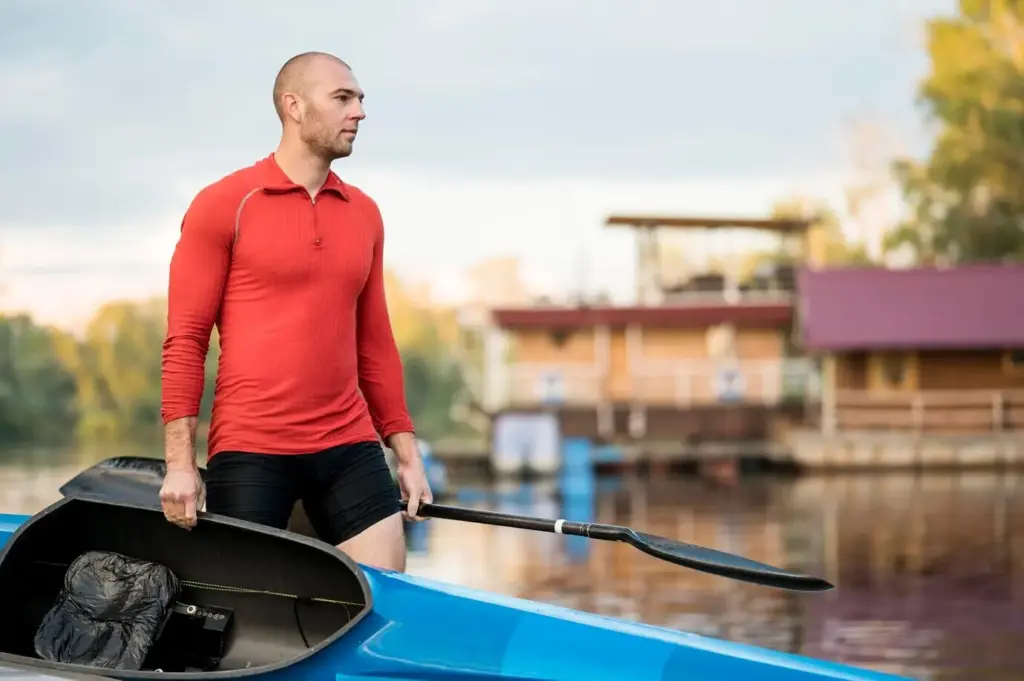
Your engine must adapt from high-cadence spins to rhythmic torso rotation and bracing. Build weeks that alternate aerobic base rides with technique-focused paddles. Add strength sessions for core, hips, and grip. Practice transitions under light pressure. Calibrate pacing with heart rate and perceived exertion so you finish smiling, not shattered.

City-to-Lake Micro-Adventure Blueprint

Start at the urban rail trail during early light, spinning toward a protected lake. Transition at a quiet park ramp. Paddle a shoreline loop under herons and gentle wakes. Return by a shaded greenway. Finish with ice cream, high-fives, and gear notes for next time.

Three-Day Wild Loop Case Study

Day one climbs to a ridge, descends to a forested river put-in, and follows mellow current to a gravel bar camp. Day two mixes braided channels and short portages. Day three rides farmland lanes back to the start, closing a satisfying human-powered circle.

Share Your Ride-and-Paddle Journey

Post photos, GPS tracks, and tiny lessons that saved your day. Did a ferry schedule rescue your timing? Which snacks delighted twice? Who joined at the shoreline? Your details help others try confidently. We’ll feature selected stories in future newsletters and community maps.

Vapifaporunakuzexo
Privacy Overview

This website uses cookies so that we can provide you with the best user experience possible. Cookie information is stored in your browser and performs functions such as recognising you when you return to our website and helping our team to understand which sections of the website you find most interesting and useful.