Ride the Rails, Launch the Paddle: Weekend Rail-to-River Adventures

This guide dives into Rail-to-River Weekend Paddle-Camping Itineraries, showing how a simple train ride unlocks miles of wild water and starry camps without a car. Learn to synchronize timetables with flow forecasts, pack compact boats, and savor a two-day escape that begins on a platform and ends with satisfied, river-washed calm.

Getting from Platform to Put-In

A smooth connection from train door to river edge starts with honest logistics. Locate stations that sit near public river access, plan walking routes that avoid private property, and factor in time for inflating or assembling your boat. With careful prep, your first paddle strokes will feel like a continuation of the journey, not a scramble.

Mapping Transit-Friendly Launches

Study open-data layers, satellite images, and local paddling maps to find legal access within a short walk from the platform. Prioritize crossings with sidewalks, gentle banks, and space to stage gear. Save offline maps, pin backup entrances, and note seasonal closures, so your rail-to-river transition remains calm, respectful, and decisively efficient.

Tickets, Timetables, and Boat Policies

Before boarding, confirm off-peak windows, bicycle or oversized item rules, and whether packrafts or folding kayaks count as luggage. Screenshot timetables and service alerts. Choose departures that align with daylight for rigging time. If a conductor asks, confidently explain your compact boat setup and storage plan, ensuring courteous compliance that keeps future trips welcome.

A First-Hand Morning Dash

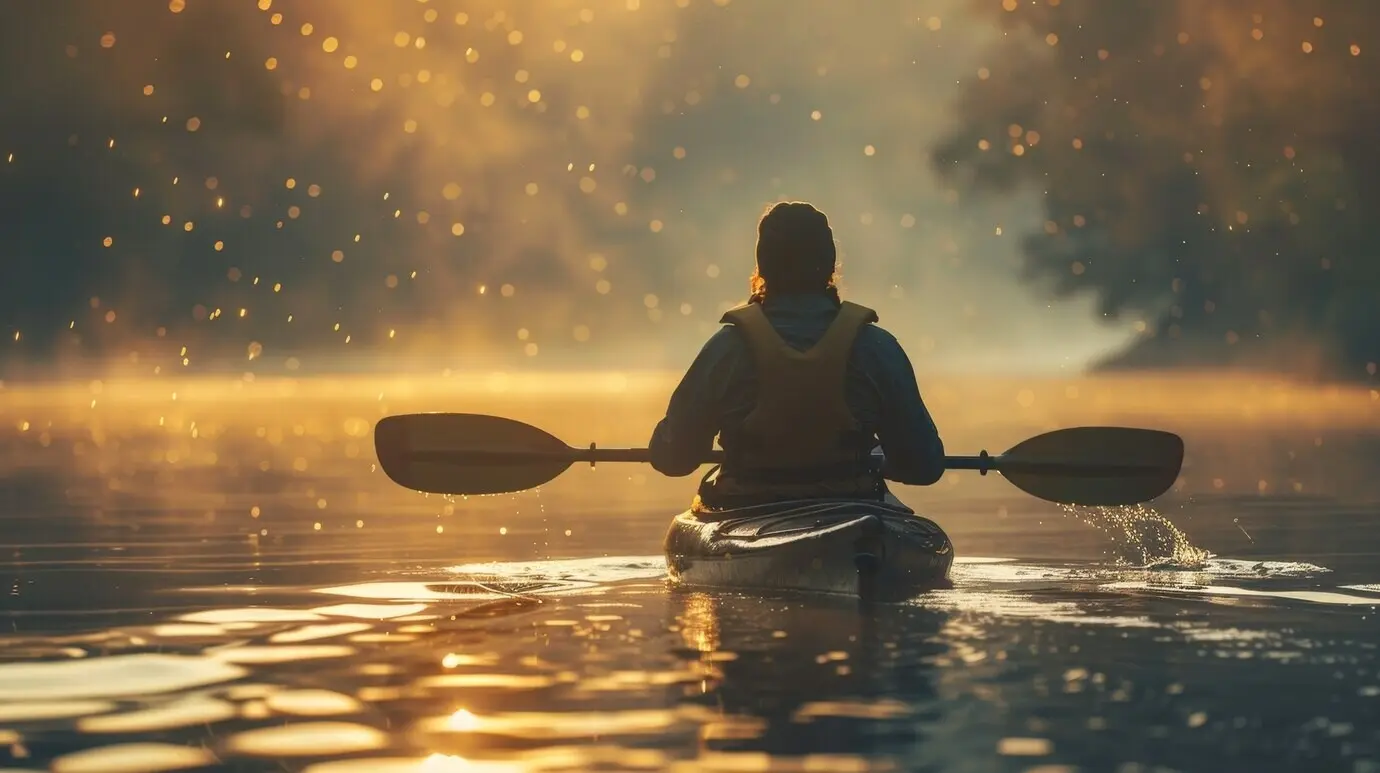
Picture stepping off a quiet early train with coffee heat in your palms, watching mist hang above slow current. A six-minute walk, a respectful nod to a dog walker, and your hull unfurls. Ten minutes later, paddle bites water, city clamor fades, and rails recede like a prologue to your weekend story.

Packing Light, Paddling Strong

The magic of rail-to-river travel lives in smart, compact gear. Choose boats that collapse small, distribute weight so shoulders stay happy, and minimize setup to preserve daylight. Every item carries purpose: shelter, warmth, safety, and joy. With refined kits and practiced packing drills, you move fluidly from platform to current, powering effortless momentum.

Reading Gauges Like a Local

Study multi-day hydrographs to understand rise, fall, and lag after rain. Note minimum floatable levels for your hull, and maximums you will not exceed. Combine gauge data with trip reports and visual cues like exposed rocks or bank lines. When in doubt, choose the slow smile of safety over rushed bravado.

Storm Plans and Heat Management

Carry a lightweight tarp for sudden downpours and schedule siesta paddling during high heat. Wind can double effort; plan bends that offer lee. Track lightning and establish shore protocols. Hydration, electrolytes, and sun layers save weekends. A timely weather-aware pause often transforms risk into a memorable, cozy story you’ll tell friends later.

Bailout Stops and Bridge Etiquette

Mark intermediate bridges, public parks, and transit-connected towns as exits. Agree on hand signals for ending early. If stopping at a bridge, avoid construction zones and fishing lines, and give anglers space. Photos of posted rules help decisions. The best adventure includes humble pivots that respect changing conditions and everyone sharing the water.

Camps That Respect the River

Great camps grow from humility. Choose durable surfaces away from fragile banks, keep fires minimal or skip them, and store food like a guest, not a conqueror. The river rewards low-impact habits with quiet wildlife sightings, clean morning water, and returning trains that carry you home with a conscience lighter than your pack.

Day One: Rails, Riffles, and a Quiet Bend
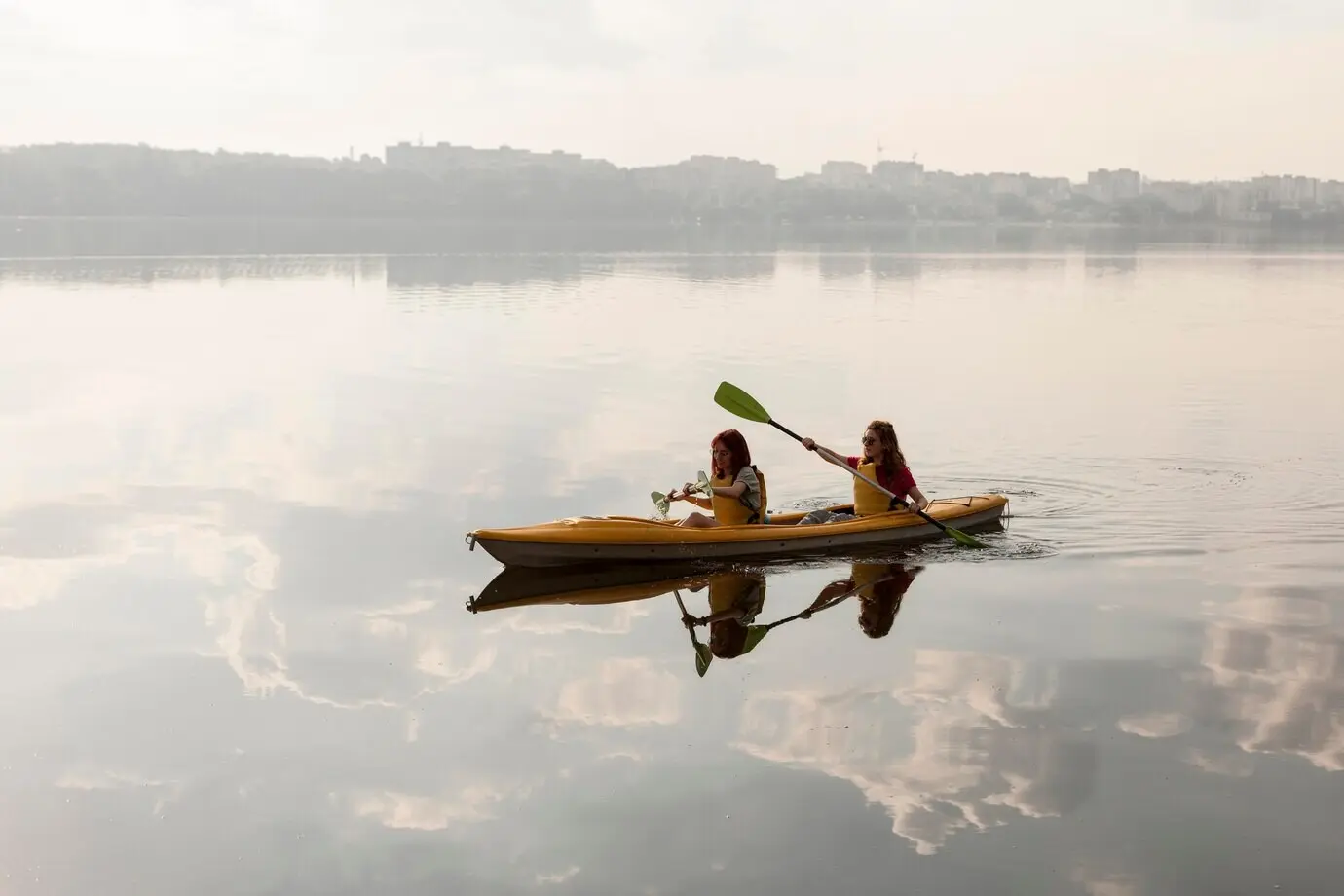
Catch a pre-commuter train, assemble gear beside a shaded path, and launch by mid-morning. Aim for twelve to fifteen easy miles with time to practice ferry angles and eddy turns. Reach camp early, filter water, and cook an unhurried dinner while the last commuter horns fade behind cottonwoods and settling swallows.

Night Under Cottonwoods

Choose a mid-channel bar with upstream views and gentle breeze to thin bugs. Pitch low, anchor boats, and log coordinates. Trade phone glow for star maps, whisper plans for sunrise coffee, and let current chatter lull you to uncomplicated sleep. You will wake grateful, curious, and ready for the soft push downstream.

Community, Safety, and Sharing the Channel

Rivers connect people as surely as rail lines connect towns. Signal intentions early, greet anglers warmly, and yield generously to rowers and wildlife. Carry first aid, rescue tools, and a plan that friends can reference. Your good stories multiply when everyone returns smiling, wiser, and eager to help the next traveler launch well.

Food, Fuel, and Small Indulgences

Good meals make miles smoother. Pack compact calories that tolerate jostling, choose stoves that suit local rules, and carry water treatment you trust. Slip in tiny luxuries—a square of chocolate, a sachet of espresso, a clean camp towel—that transform a tired evening into a cherished, unreasonably happy memory beside low whispering water.
Vapifaporunakuzexo
Privacy Overview

This website uses cookies so that we can provide you with the best user experience possible. Cookie information is stored in your browser and performs functions such as recognising you when you return to our website and helping our team to understand which sections of the website you find most interesting and useful.