
Paddle, Sail, and Wander: A Car‑Free Coastal Odyssey
Set your kayak on the quay and let ferries stitch distant shorelines into one continuous journey. We dive into ferry-linked coastal kayaking and island hopping without a car, blending tide-savvy planning, lightweight packing, and respectful island etiquette. Expect practical checklists, real anecdotes from crowded gangways and quiet coves, plus strategies for safely timing crossings around schedules and currents. Share your questions, subscribe for route updates, and tell us about the ferries and islands calling your name.
Route Crafting with Timetables, Tides, and Shore Access
Design journeys that honor both ferry clocks and sea rhythms. Match departure windows to slack water, choose launch spots within an easy carry of terminals, and map generous bailouts. I learned this the hard way after missing a last sailing by minutes and chasing eddies at dusk.
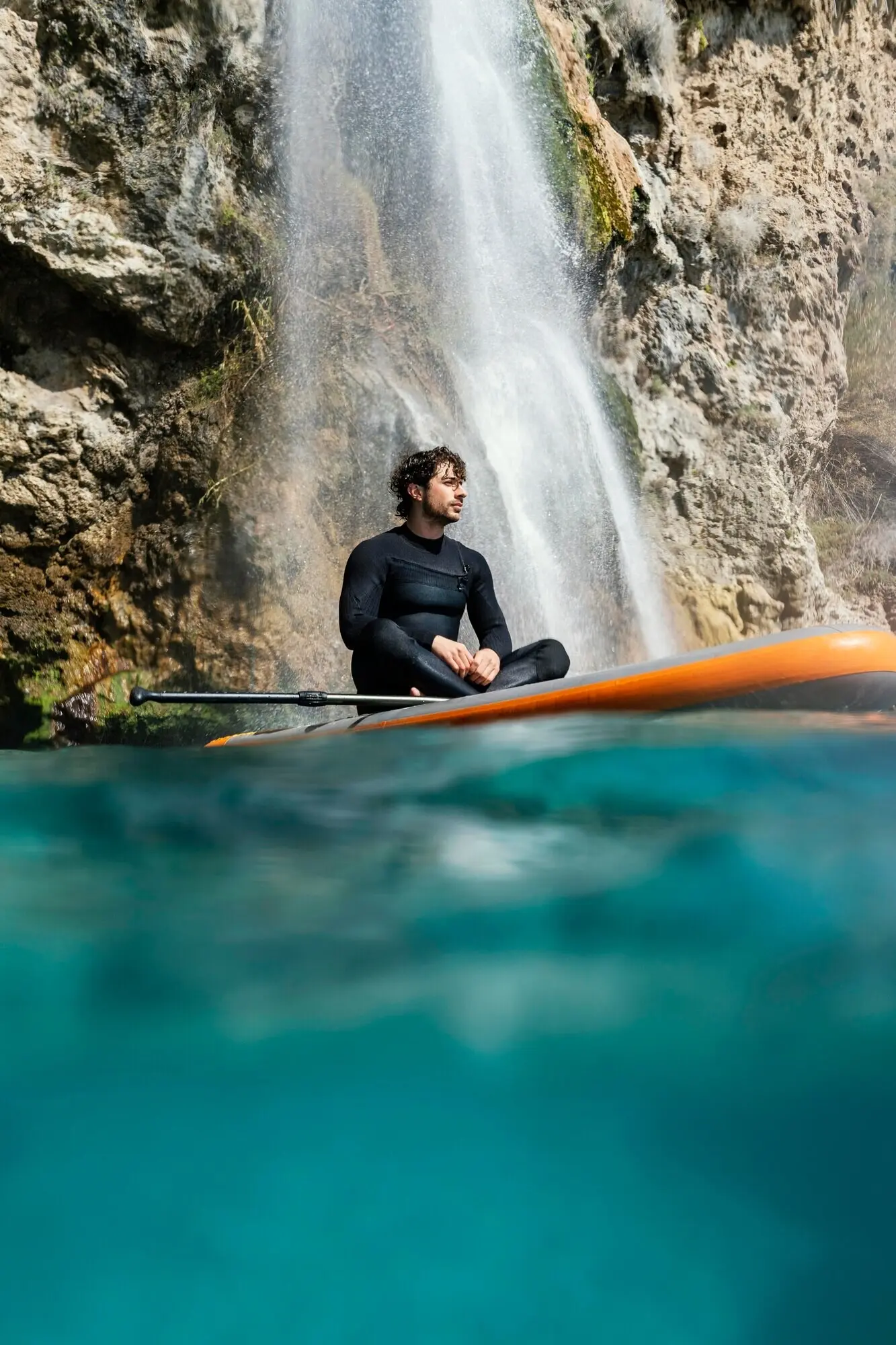
Ultralight, Salt-Ready Gear That Plays Nice with Ferries
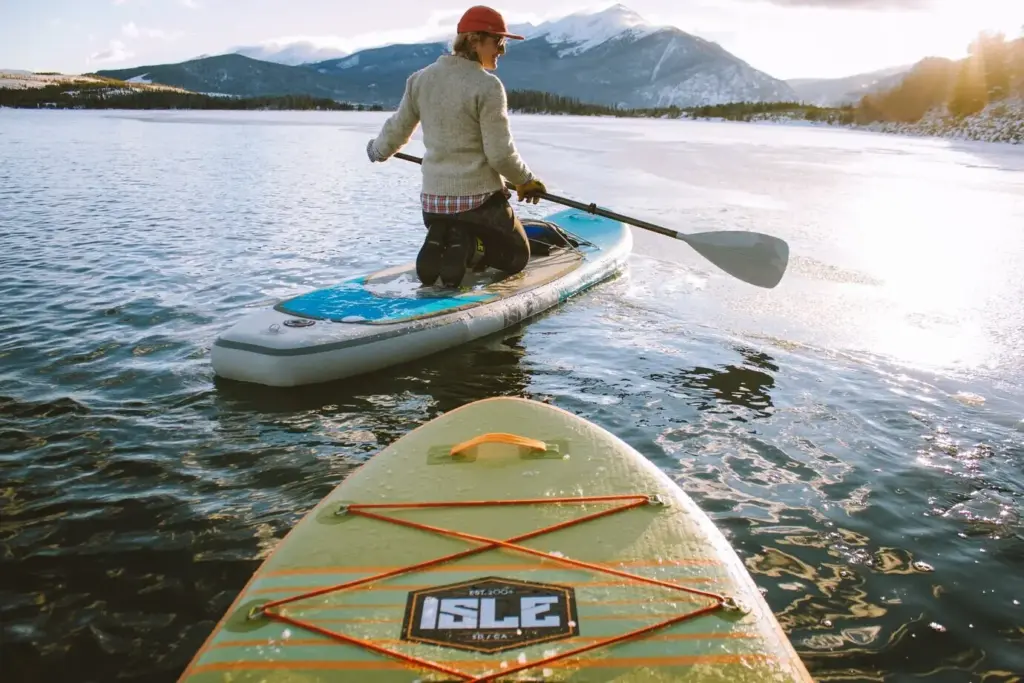
Pack for elevators, stairs, and wet decks, not tailgates. Salt-resistant zippers, compact paddles, and quick-dry layers keep weight down and morale high. Balance redundancy with portability, labeling dry bags by function so deckhands understand what matters when stowage gets improvisational.
Boat Choices: Sea Kayak, Folding Kayak, or Packraft
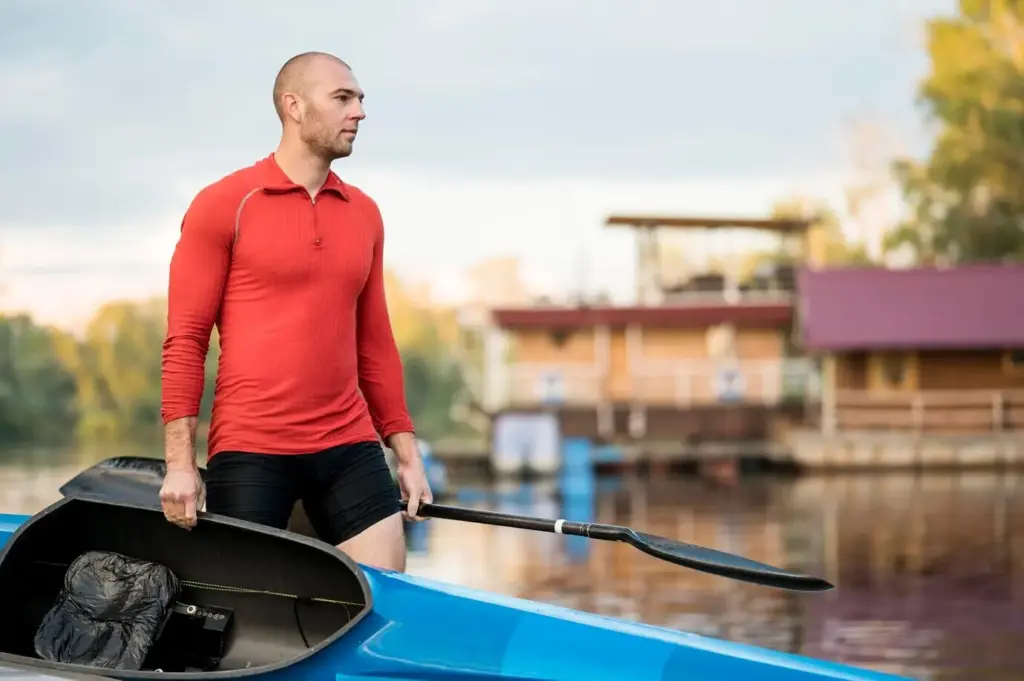
Each shines in different corridors. Hardshell sea kayaks track beautifully across wind, but require coordinated handling on gangways. Folding boats hide in a duffel, earning smiles from crew. Packrafts slip into buses easily, yet demand skillful trim and seaworthiness upgrades for brisk chop.
Carry Systems and Deck Bags for Queues and Gangways
Removable portage straps, foam shoulder pads, and a compact two-wheel cart tame long terminals. Keep a grab-and-go deck bag with ID, tickets, hydration, and warm hat. When boarding stalled, that little kit turned impatience into an impromptu picnic with binoculars.

Talking with Ticket Agents and Deckhands
Explain your plan succinctly: you are a foot passenger with a kayak, need safe stowage, and will hand-carry. A smile, patience, and thanks go far. Later, a deckhand quietly tipped us to an early outbound usually empty and gloriously fast.
Stowing Boats and Respecting Space
Follow the crew’s lead about lashing points, drip control, and escape routes. Keep paddles bundled and leashes managed. Your tidiness earns trust, and trust earns flexibility. Once permitted near a lifeboat cradle, our kayak rode steady while we watched gulls draft the bow.
A Long‑Weekend Itinerary You Can Steal
Use this adaptable plan as a scaffold for your coastline. It combines two ferry rides, three short crossings, and one tidal gate, with bakeries and viewpoints threaded between. Adjust distances to your fitness and always verify local regulations, campsite availability, and seasonal ferry patterns.
Day 1: Harbor to First Island via Midday Ferry
Arrive early, secure tickets, and board with time to photograph wake patterns. Disembark, wheel to a public slip, and paddle a sheltered leg to camp before dusk. A sunset stroll to the village store doubles as scouting for tomorrow’s launch and breakfast pastries.
Day 2: Tide-Assisted Crossing and Lighthouse Camp
Ride the ebb, skirting kelp lines and shoals while checking bearing drift against distant points. Picnic near the lighthouse, then settle into a wind-sheltered nook above wrack line. The night’s foghorn lullaby is softer when you know tomorrow’s ferry leaves every two hours.
Day 3: Early Slack, Bakery Stop, Homeward Ferry
Break camp quietly, launch on slack to cross the channel before breeze builds, and celebrate with warm rolls and coffee near the quay. Rinse salt from gear, thank the crew, and jot distances while memories are fresh enough to plan the next loop.
Conservation, Culture, and Community
Your journey touches delicate ecosystems and hardworking ports. Minimize noise, pack out microtrash, and favor locally owned bakeries and hostels. Learn island history beyond postcards, and listen before speaking. Share route reports after returning so others can travel safer and kinder without adding traffic.
Leave No Trace on Fragile Shores
Pitch late, break early, and keep camps small. Cook on stoves, not fires, and scatter tent prints by choosing durable surfaces. We once skipped a perfect meadow to protect nesting birds, discovering a nearby granite shelf with better stars and kinder morning light.
Supporting Island Economies Car‑Free
Spend where it matters: independent cafés, co-ops, small ferries, and cultural centers. Ask about refill points rather than buying endless plastic. A deckhand’s café recommendation became our tradition, and the owner began saving day-old loaves for paddlers arriving on the windy afternoon boat.
All Rights Reserved.